
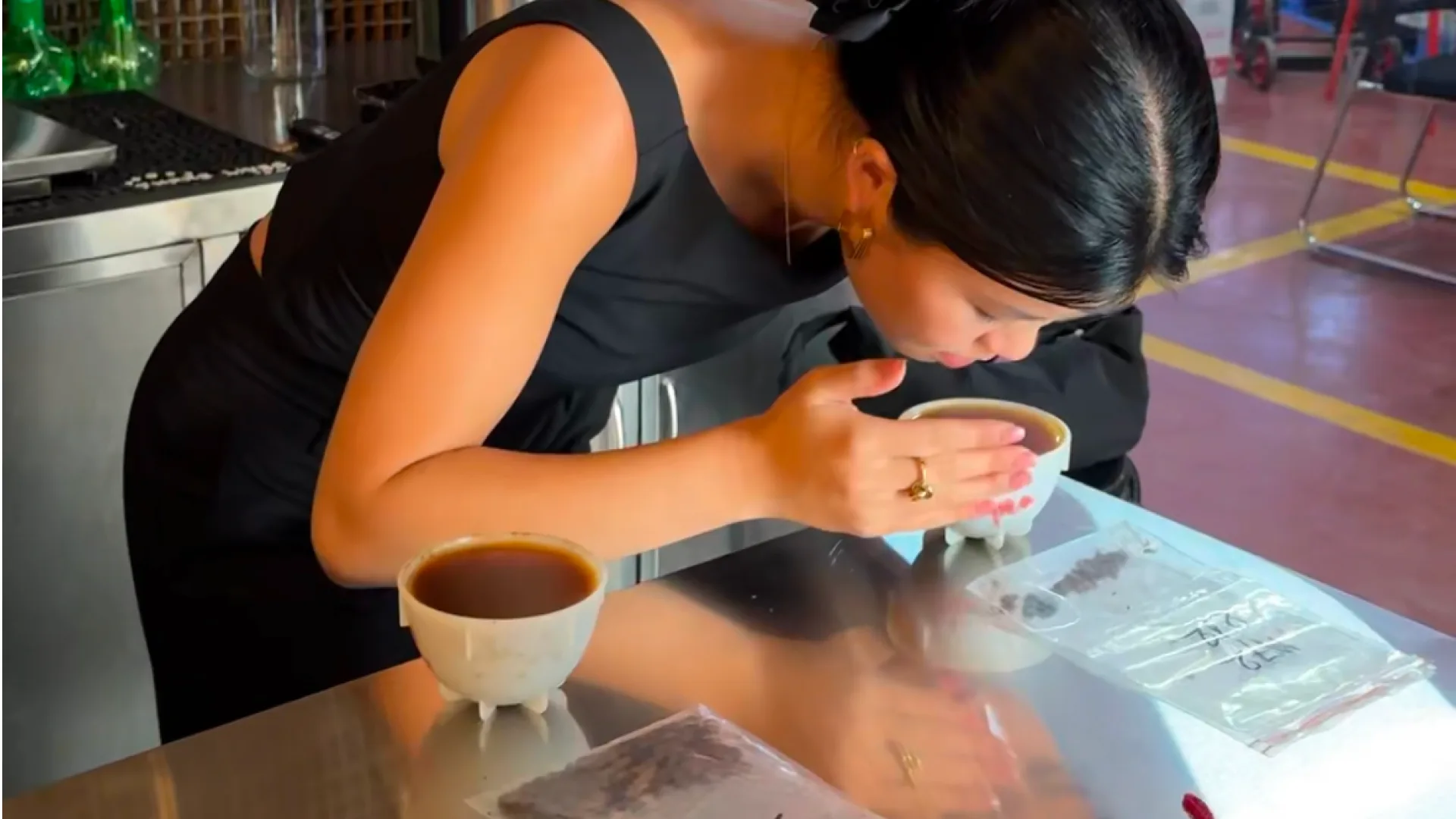
Coffee tasting works like wine tasting: judge aroma, flavor, acidity, body, and aftertaste. Vietnamese Robusta leads with dark chocolate and low acidity.
Coffee tasting works much like wine tasting: you judge aroma, flavor, acidity, body, and aftertaste, then place what you notice on the coffee flavor wheel. Vietnamese coffee, made from Robusta, leads with dark chocolate, roasted nuts, and a low-acid, syrupy body. This guide explains the attributes, the flavor wheel, the Robusta profile, and how to taste at home.
Coffee tasting is close to wine tasting
Coffee and wine share the same logic: terroir, variety, processing, and a shared vocabulary. Both come from a fruit grown in a specific place (terroir), both have varieties that taste distinct (Robusta and Arabica; Pinot and Syrah), both are shaped by how the fruit is processed, and both are judged with a structured tasting language. We learned this from both sides. Cecilia studied a summer wine-tasting course at Stanford, working through a different grape each lecture, and Winnie spent over half a year at a vineyard in Australia. The structure that organizes wine maps almost directly onto coffee.
The attributes you assess
Professional tasters score six attributes, the same ones used in the Specialty Coffee Association cupping protocol:
Aroma: the smell of the grounds and the brewed coffee. The first signal of what is in the cup.
Flavor: the core taste, described with the flavor wheel (chocolate, nutty, fruity, floral).
Acidity: brightness and liveliness. High acidity reads as bright when pleasant, sour when not. Robusta is low in acidity.
Body: the weight and texture on the palate, from light and tea-like to heavy and syrupy. Robusta is full-bodied.
Aftertaste: the flavor that lingers after you swallow. A long, pleasant aftertaste scores well.
Balance and sweetness: how the parts hold together, and the natural sweetness underneath.
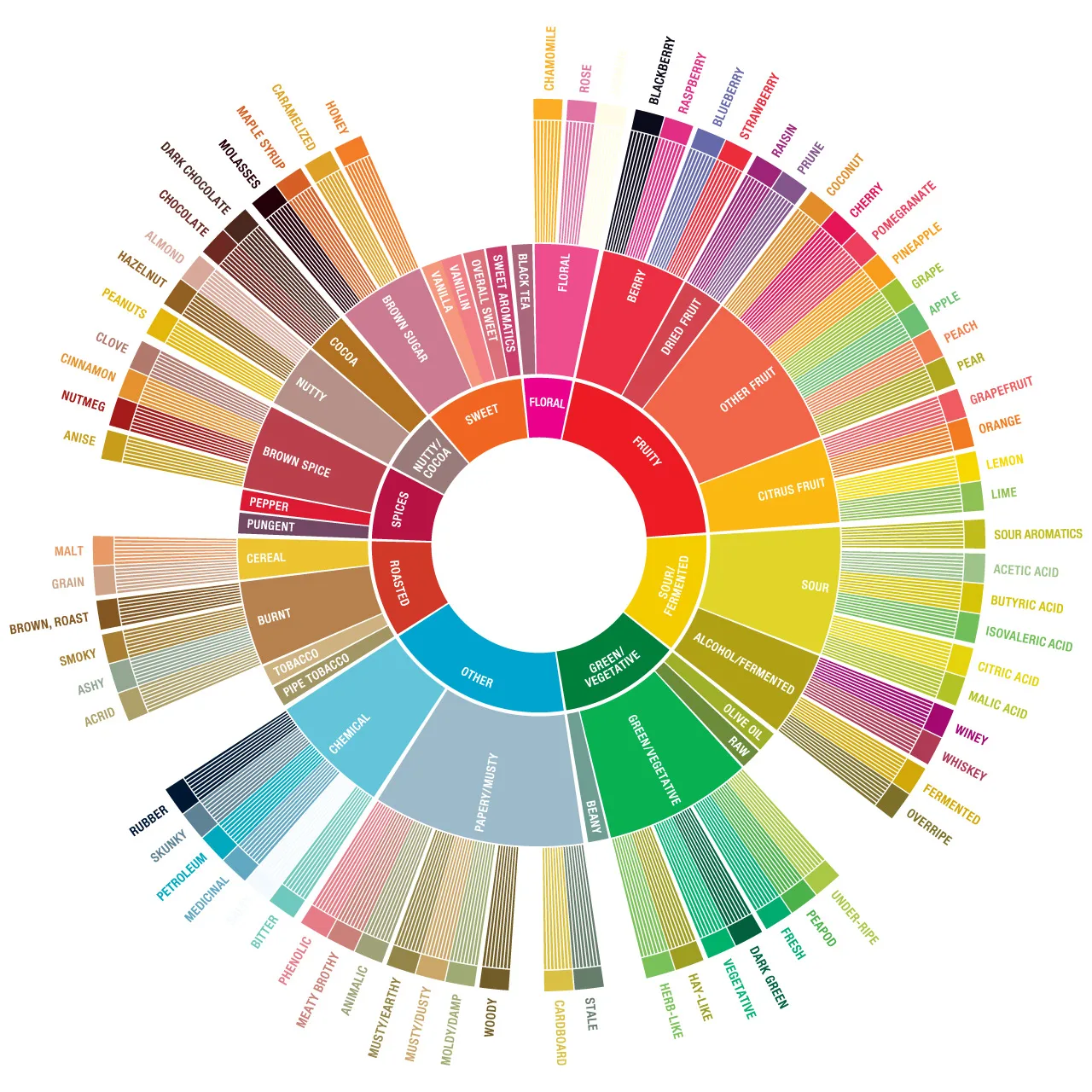
The coffee flavor wheel
The coffee flavor wheel is a map of tasting words, from broad to specific. The Specialty Coffee Association released the first wheel in 1995 and updated it in 2016 with World Coffee Research. You move from a broad category (roasted, nutty/cocoa, fruity) inward to a specific note (dark chocolate, hazelnut, blackberry). It gives tasters a shared language, the same role the wine aroma wheel plays.
The Vietnamese Robusta flavor profile
Vietnamese Robusta tastes bold, dark, and low in acidity. The typical notes are dark chocolate, roasted hazelnut and almond, cocoa bitterness, caramel sweetness, and earthy or oak-like undertones, with a syrupy body and a lingering, slightly smoky finish. Its low acidity makes it smooth and easy on the stomach. This profile is why Robusta stands up to condensed milk and ice. See Robusta vs Arabica for the contrast with bright, fruity Arabica.
How roast and processing shape the cup
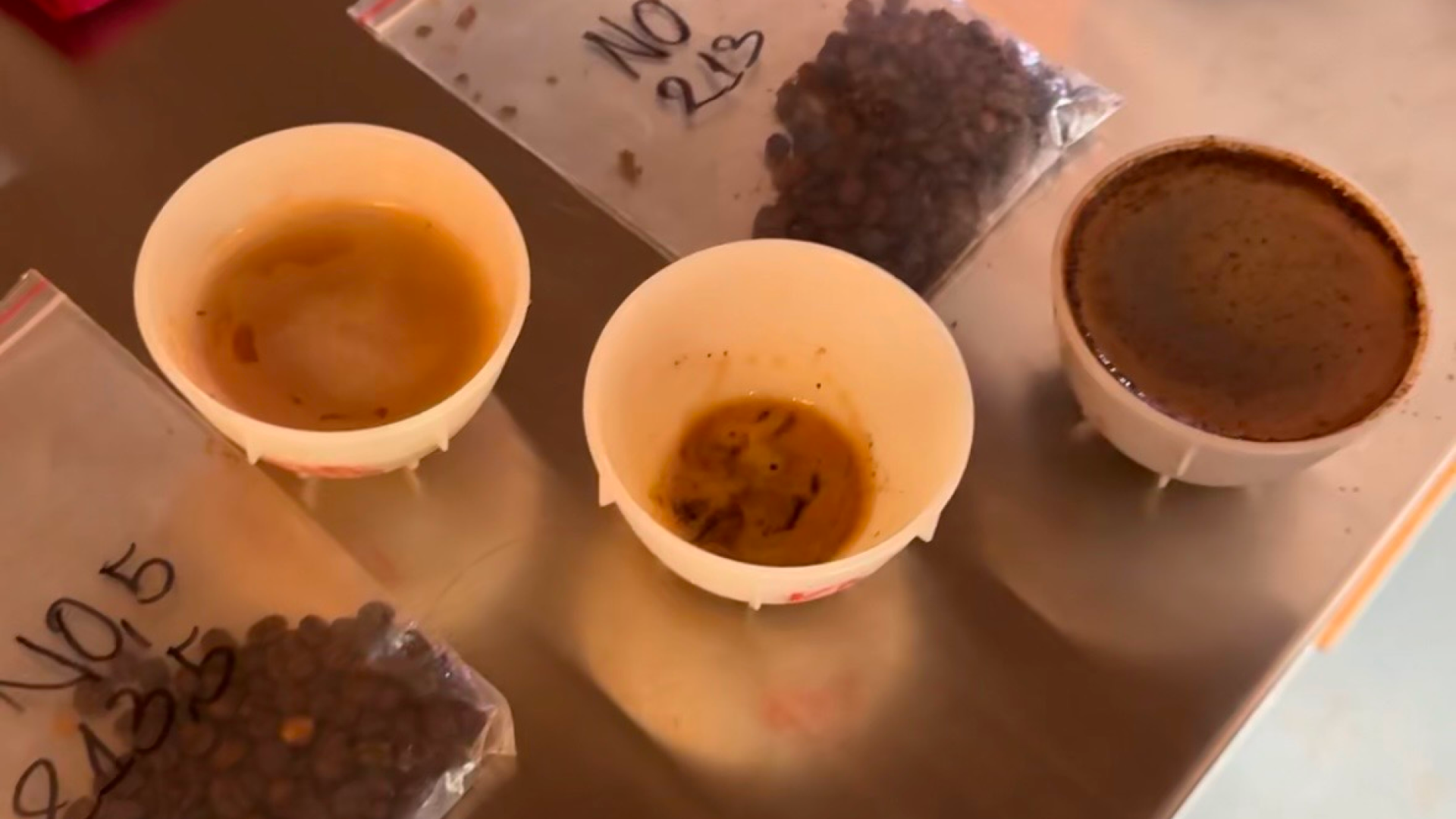
Processing and roast move the flavor before you ever brew. Washed coffee tastes cleaner and brighter; natural (dry) processing, common for Vietnamese Robusta, deepens body and sweetness; honey processing sits in between. A darker roast pushes the cup toward chocolate, caramel, and smoke and away from acidity. Our Pleiku Robusta is roasted in Đà Lạt for that bold character without a heavy, buttery finish. More on the chain in Single-origin Robusta from Pleiku.
How to taste Vietnamese coffee at home
You can run a simple tasting in five steps:
Brew a strong black cup in a phin, no milk, so nothing hides the flavor. Method: How to brew with a phin.
Smell the grounds, then the brewed coffee. Note the aroma first.
Sip while it is hot and let it coat your palate. Note the body.
Look for specific flavors: chocolate, nuts, caramel, earth. Use the flavor wheel.
Wait, and note the aftertaste. Compare two coffees side by side to sharpen what you notice.
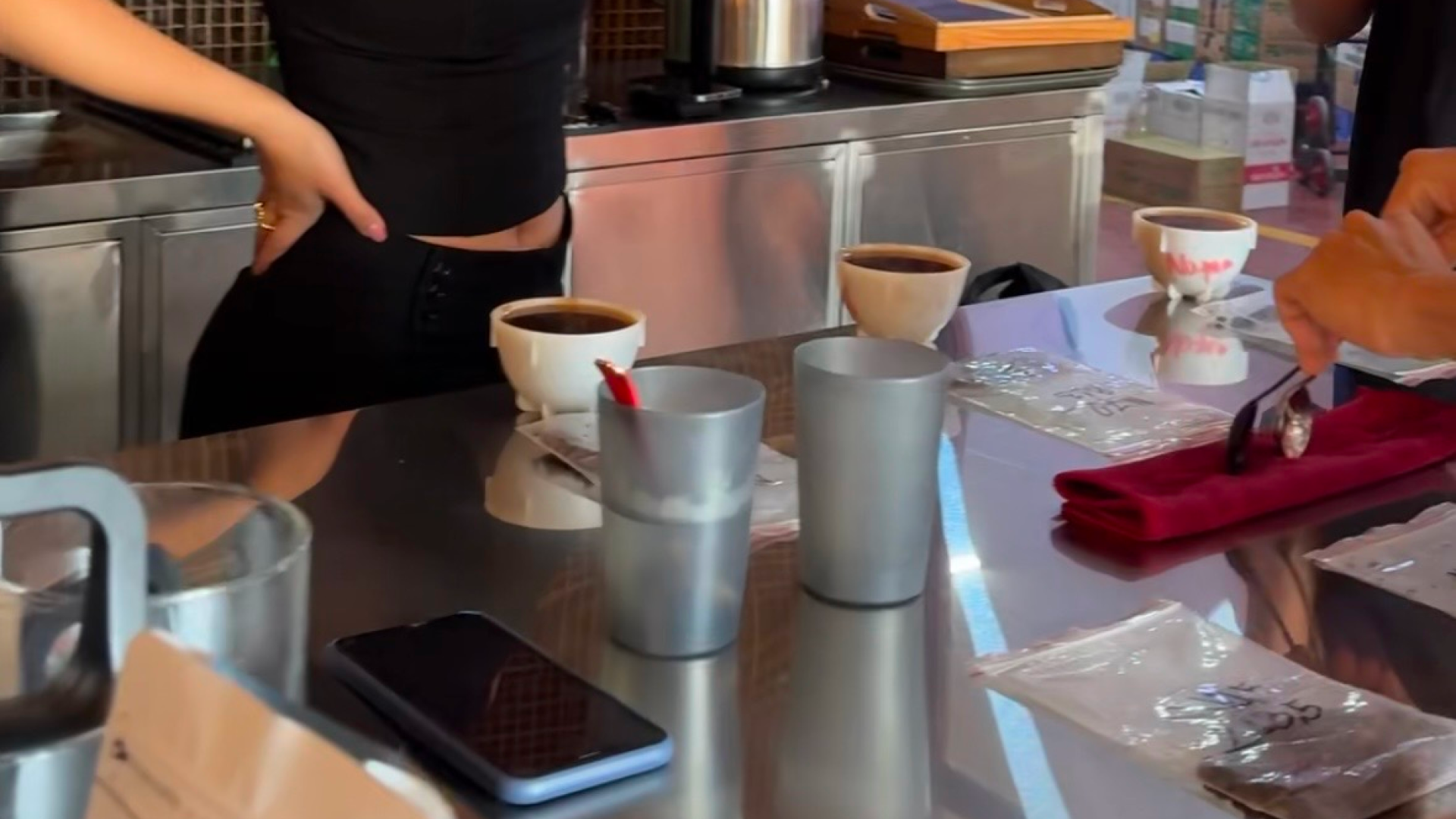
Start with a black brew from our No Regrets Horse kit, then taste the same coffee across the different Vietnamese coffee drinks to see how milk, salt, and ice change it.
FAQ
How do you taste coffee like a professional?+
What does Vietnamese coffee taste like?+
Is coffee tasting like wine tasting?+
What is the coffee flavor wheel?+
Does Robusta have less acidity than Arabica?+

Co-founder, TRAN Coffee Lab
Winnie is the younger sister and co-founder who gives TRAN Coffee Lab its voice. She leads branding, marketing, and product development - from the look of every bag to the stories we tell - and she's the face you'll meet when you find us out in the world.