
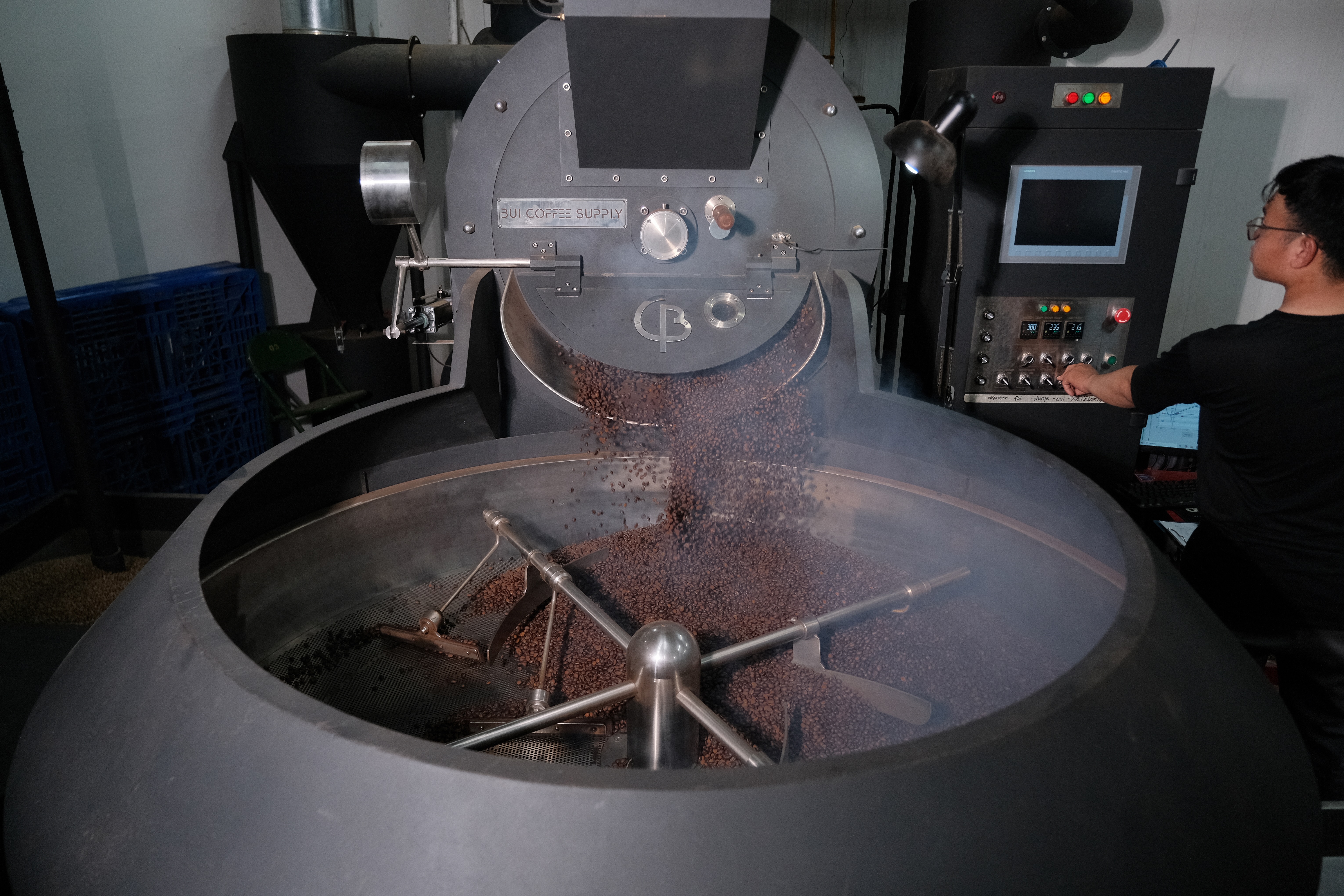
Coffee is made in eight stages, from flowering plant to brewed cup. This guide explains how growing, harvesting, processing, roasting, and brewing shape the final flavor.
Coffee is made in eight stages: growing the plant, harvesting the cherries, processing them, drying, milling, roasting, grinding, and brewing. Each step shapes the final flavor. Vietnamese Robusta follows this same path, from the Central Highlands to your phin.
1. The plant
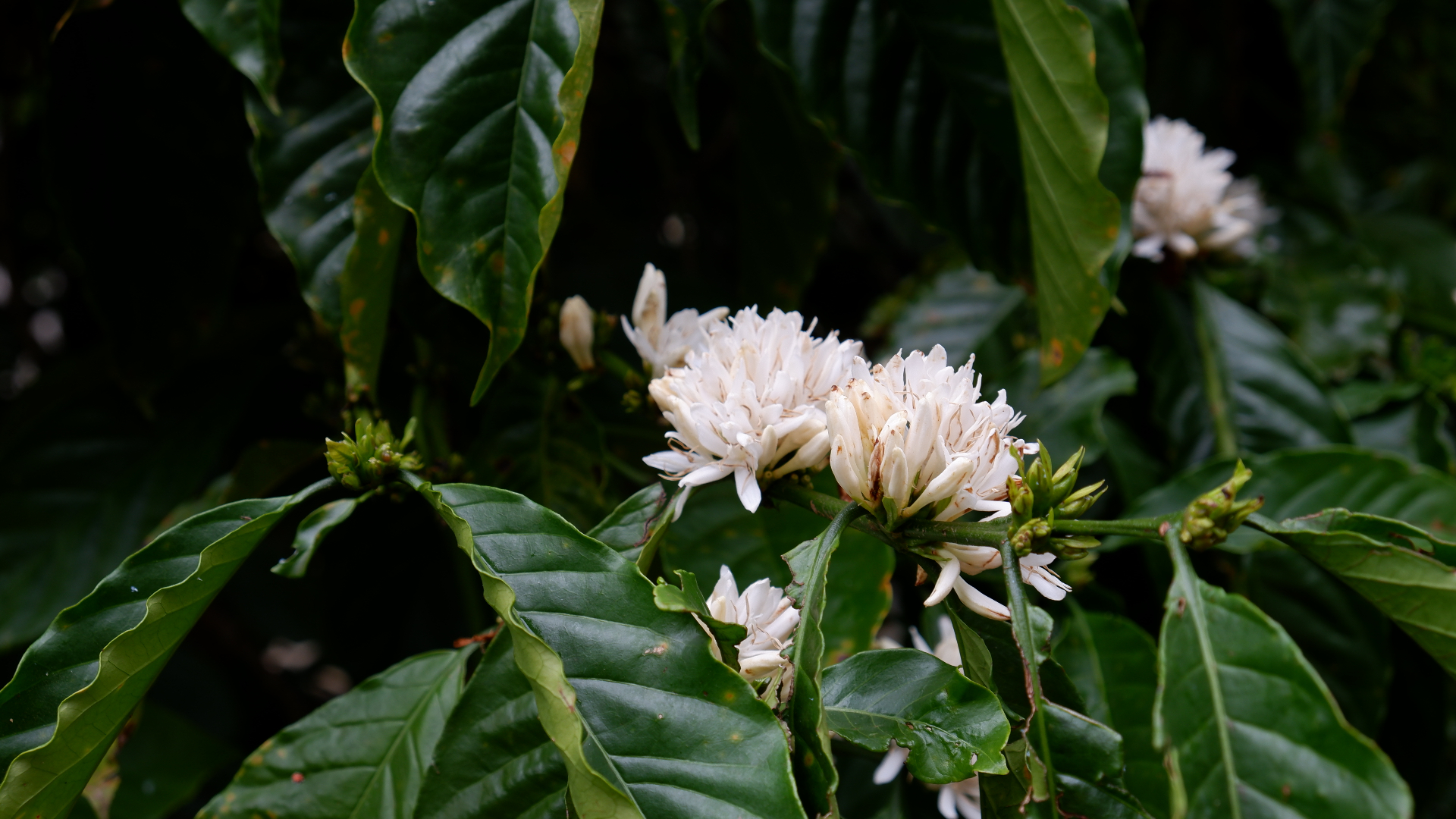
Coffee grows on a flowering shrub of the genus Coffea, mainly the species Arabica and Robusta. It grows in the tropics, in a band around the equator known as the bean belt. A coffee plant takes roughly three to five years to produce its first harvestable crop, and after flowering with small white blossoms it sets fruit called cherries. Robusta and Arabica differ here: Robusta is hardier and grows at lower altitudes. See Robusta vs Arabica.
2. Growing
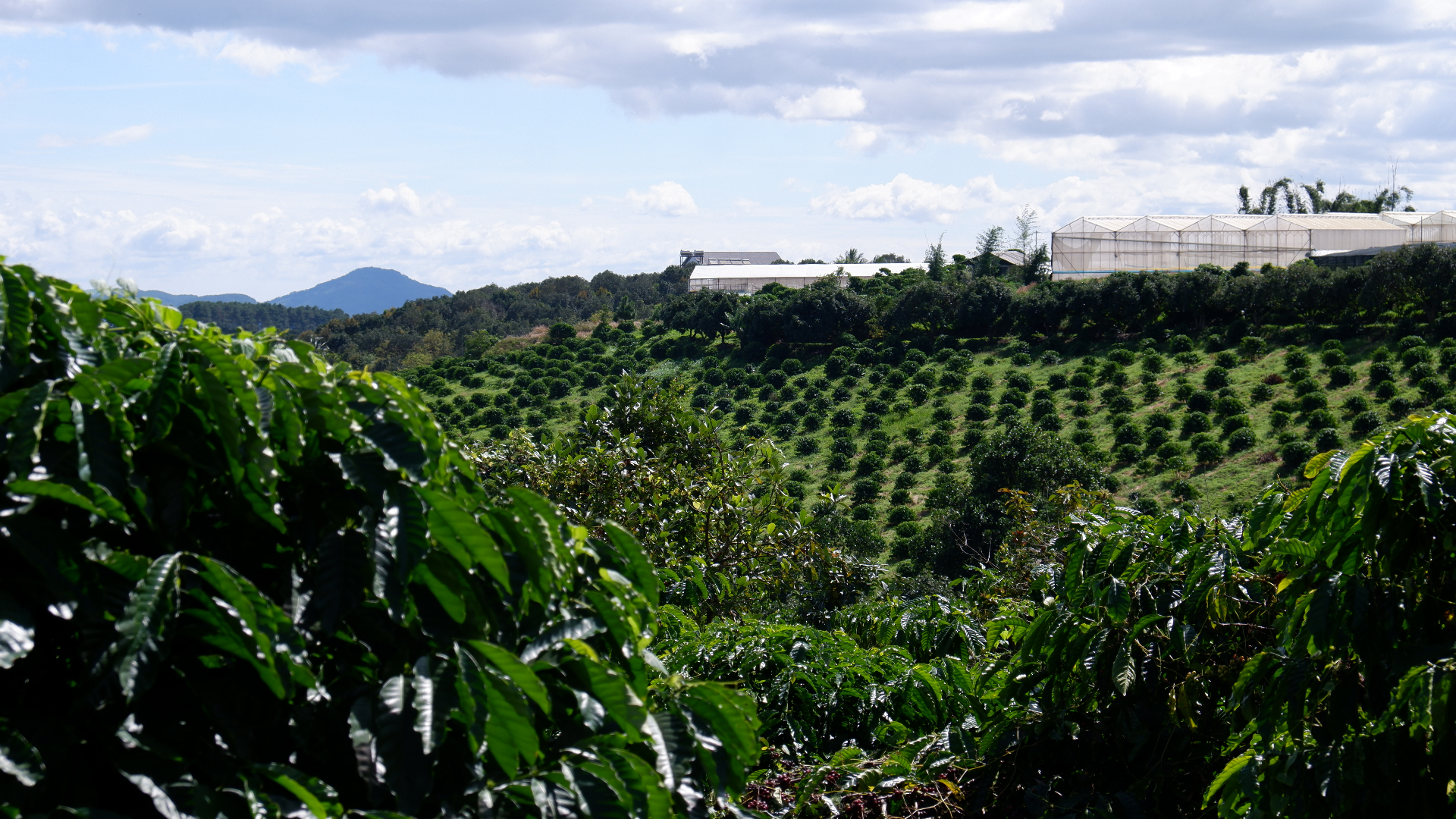
Climate and altitude set the character. Coffee needs steady warmth, rain, and the right altitude; Arabica favours high ground, while Robusta tolerates lower, hotter land. Vietnam's Central Highlands, including Pleiku where our coffee grows, gives Robusta the conditions it thrives in.
3. Harvesting
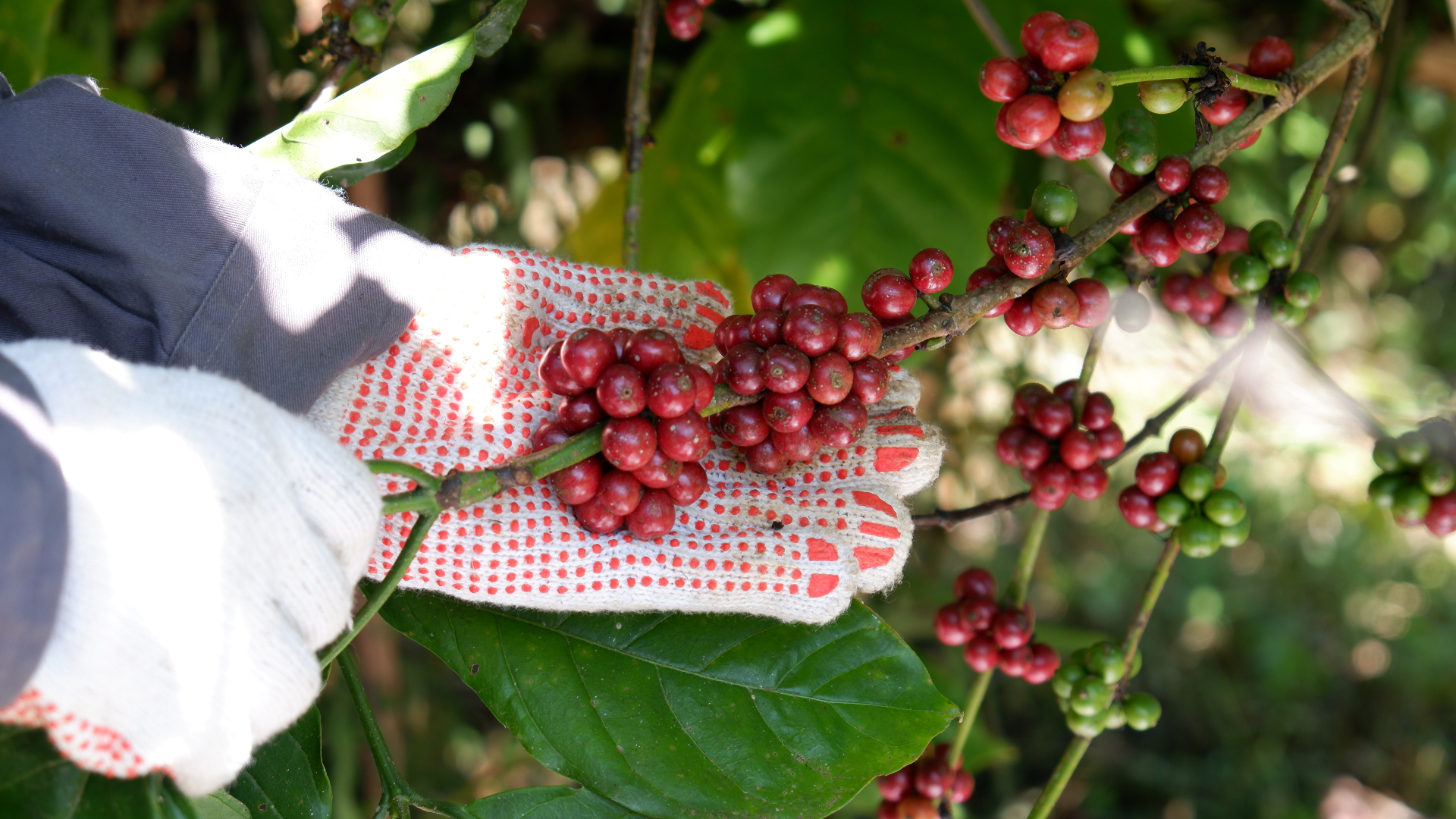
Ripe cherries turn from green to red or yellow. Cherries ripen over seven to nine months. The best harvesting is selective hand-picking, where pickers take only the ripe cherries and return every eight to ten days. Selective picking costs more labour but gives a more even, higher-quality lot than stripping a branch all at once.
4. Processing
Processing decides much of the flavor. Three methods dominate. Washed processing removes the fruit before drying and gives a cleaner, brighter, more acidic cup. Natural (dry) processing dries the whole cherry with the fruit on, giving a heavier body and deeper sweetness, and it is common for Vietnamese Robusta. Honey processing leaves part of the sticky mucilage on during drying and lands between the two, sweet and syrupy.
5. Drying and milling
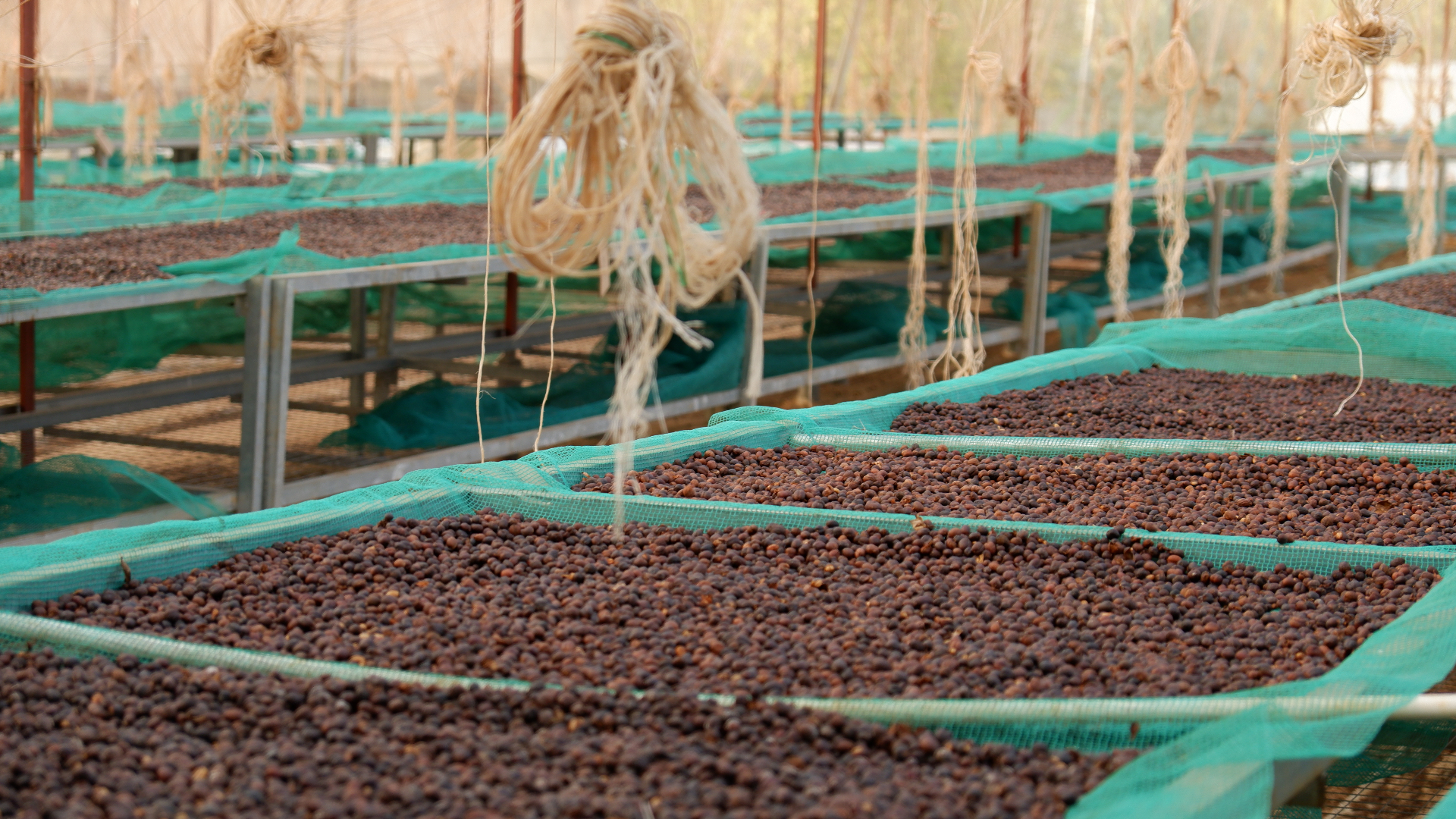
Beans are dried, then hulled. After processing, the beans dry in the sun or in machines until they reach a stable moisture level of around 11 percent. Milling then removes the dry parchment layer to reveal the green bean, which is graded, sorted, and shipped. At this stage the coffee is green, raw, and not yet aromatic.
6. Roasting
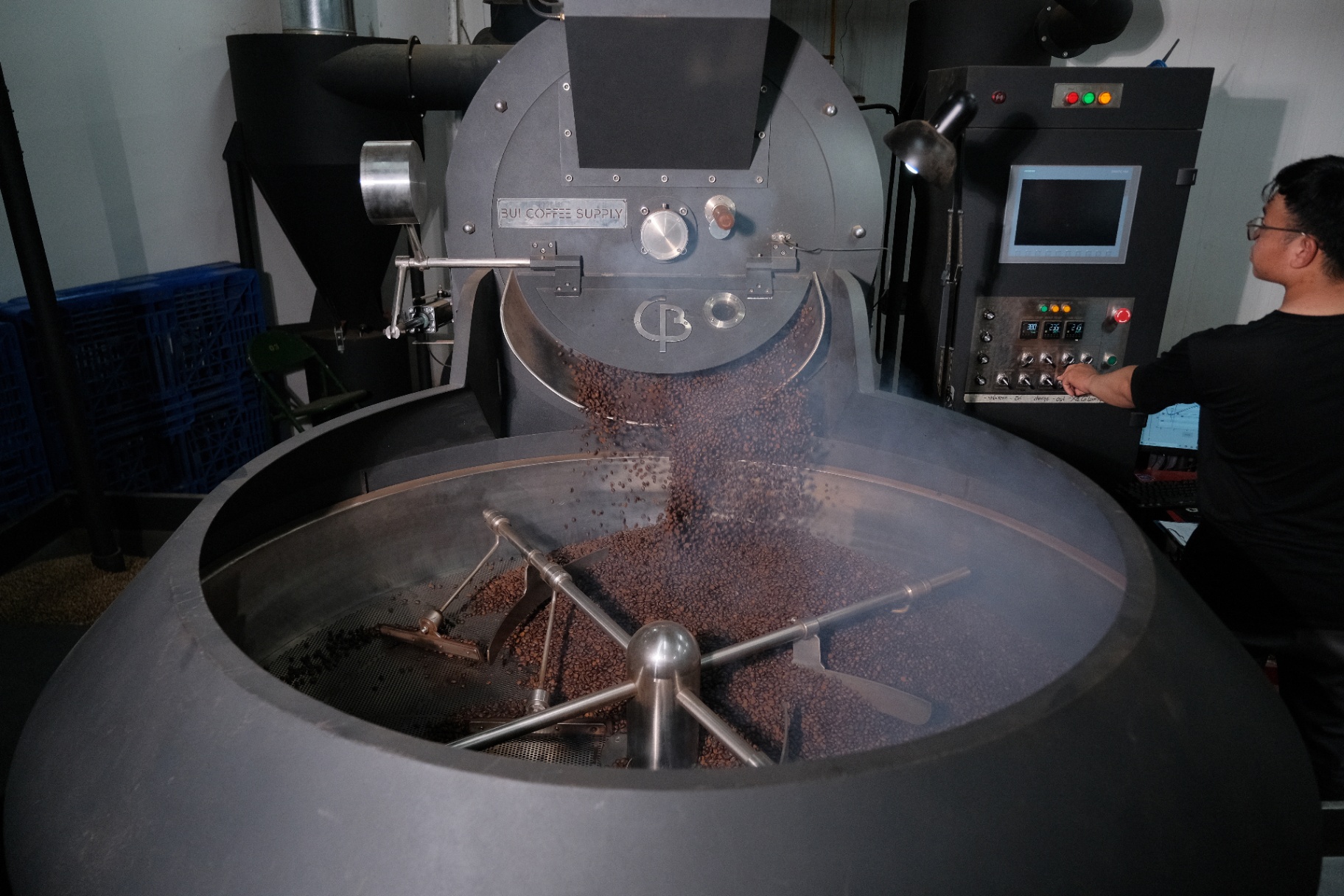
Roasting creates the flavor and aroma. Green beans enter a hot rotating drum. They turn yellow and smell of popcorn as moisture leaves, then hit first crack around eight to ten minutes in, when they audibly pop, expand, and brown as sugars caramelize. A lighter roast keeps more acidity; a darker roast, past second crack, brings chocolate, caramel, and smoke. Our Pleiku Robusta is roasted in Đà Lạt for a bold character without a heavy, buttery finish.
7. Grinding
Grind size matches the brew method. Coarser grinds suit slow methods; finer grinds suit fast ones. For a phin, a medium-coarse grind works best. Our kits come pre-ground for the phin, so this step is done for you.
8. Brewing
Brewing extracts the flavor with hot water. For Vietnamese coffee, that means a phin: a slow, concentrated drip that produces a strong cup. Method: How to brew with a phin. New to the drink? Start with What is Vietnamese coffee?, or try the full path yourself with our No Regrets Horse kit.
FAQ
How long does coffee take to grow?+
What are the steps to make coffee?+
What is coffee processing?+
How is Vietnamese coffee made?+
Does roasting affect caffeine?+

Co-founder, TRAN Coffee Lab
Cecilia is the older sister and co-founder who keeps TRAN Coffee Lab running. From the legal paperwork to the accounting, the website, and the logistics - she builds the systems behind the scenes so every bag of coffee makes it to your door on time.